

A lot of the art and literature that I enjoy is broadly described as part of “nerd culture.” Science-fiction in general, a number of modern video games, H.P. Lovecraft and his literary ancestors and descendants… all these things are pretty common examples of things that nerds like. But “nerd” has always seemed like a rotten word to me. I understand the logic of defeating an insult by claiming it proudly, but it’s still inherently ugly.
The best you can say about “nerd” is that it isn’t the word “geek,” which I haven’t liked since Pat Prescott told me about the word’s origins in the horrific world of traveling 19th-century freak shows. (Caution: there is some truly disturbing stuff in the Harlan Ellison quote Pat uses to describe a geek.)
The other problem with “nerd” is that it’s come to be synonymous with “enthusiast.” People describe themselves as “word nerds,” “biology nerds,” “computer nerds,” etc. etc. etc. If you wanted to be really specific, you would probably call me a “sci-fi nerd,” although that feels close to redundant. Pretty much any pursuit that seems even slightly intellectual has fans who describe themselves as “X nerds.”
But “nerd stuff” is a convenient shorthand for describing the things I write about. So if I’m going to complain about it, I’d better have an alternative to propose. I need a way of describing the aesthetic that’s more specific than “nerdy things.” Because the sort of thing I’m talking about here is more than just general sci-fi; it needs a more precise name.


I’ve thought about this a lot, and what I came up with was Techno-Decadentism. Let me explain how I hit on that term. Decadence was the name adopted (again, originally from an insult) by a movement of writers and artists in the late 19th-century. The movement is closely associated with Symbolism and Gothic literature. I first learned about it through Robert W. Chambers’ short story collection, The King in Yellow. The first four stories in the collection are a weird blend of Poe-like Gothic horror and H.G. Wells-ish futurism. Most of the stories in the collection deal with artists living in Paris, one of the hubs of the Decadent movement.

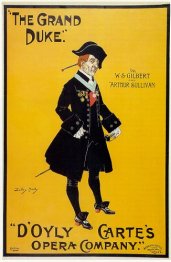
Decadence has a negative connotation, since it means “decay.” And indeed there was a general feeling in Europe at the end of 19th century of pessimism and decline. This feeling has a name: Fin de siècle, which literally means “end of the century,” but also refers specifically to the cultural mood in late-1800s Europe.
Techno-Decadentist art will also have a similar mood, though modernized. Warren Spector, the creator of the game Deus Ex, called this mood “millennial weirdness.” A fitting term, in more ways than one. It could be my taste for this is partly due to being a member of the millennial generation in the United States. Born in a global hegemon, at a moment of near-total peace and dominance, it may be I feel an instinctive sense that there is nowhere to go but down. But we’ll leave that kind of philosophizing to the Edward Gibbons of the world.
But this does not mean that all Techno-Decadent art is inherently pessimistic, only that it usually takes place in a world “on the brink of social and economic collapse,” as Chris Avellone once described the setting of Knights of the Old Republic II.
Oscar Wilde, one of the most enduring writers from the decadent movement, supposedly said that “Classicism is the subordination of the parts to the whole; decadence is the subordination of the whole to the parts.” I can’t find a source for this, but whether he actually said it or not, it’s a good quote. It illustrates a key point about the underlying philosophy of Decadentism, which is very individualistic and unconcerned with themes like Idealism or Romanticism.
That’s the reasoning for the use of Decadentism, but what about Techno? Well, I was inspired to use the term by the “techno-warlords” in Lorinda Taylor’s The Man Who Found Birds Among the Stars novels. It’s necessary to specify this because most of the art I’m talking about here involves futuristic technologies. Typically, “nerd culture” refers to both sci-fi and traditional fantasy. My own tastes lean much, much more strongly towards sci-fi; especially cyberpunk, dystopias, and retro-futurism. While there can be an overlap in themes with sci-fi, I’d argue that fantasy fiction and art is clearly carrying on the tradition of classic mythology, and therefore deserves to be seen as a distinct artistic movement.
So when anyone asks me if there is a unifying theme to the kinds of things I tend to write about, that’s what I’m going to answer. I assume most people will shrug, say to themselves, “That’s awfully pretentious,” and continue to think of me as a guy who writes about nerd stuff. But at least I’ll have a term that describes my taste and style to my own satisfaction.


